Studios
The SnapVivid AI Studios
Start in the AI studio built for what you're making. Both run on one credit balance and save to the same library.
 Hot
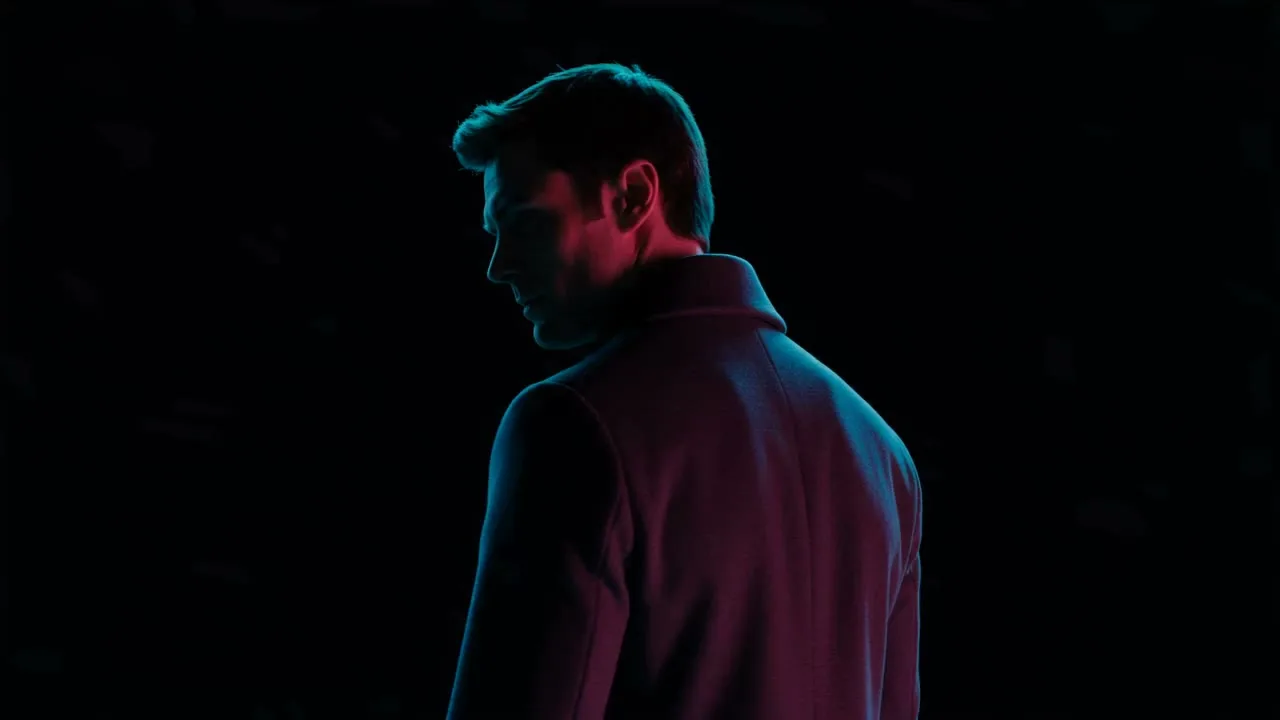
HotVideo Studio
Image to video and text to video — animate a photo or a prompt into a cinematic clip. Pick a model, set aspect and duration, render on the same page.
 10 lifetime credits
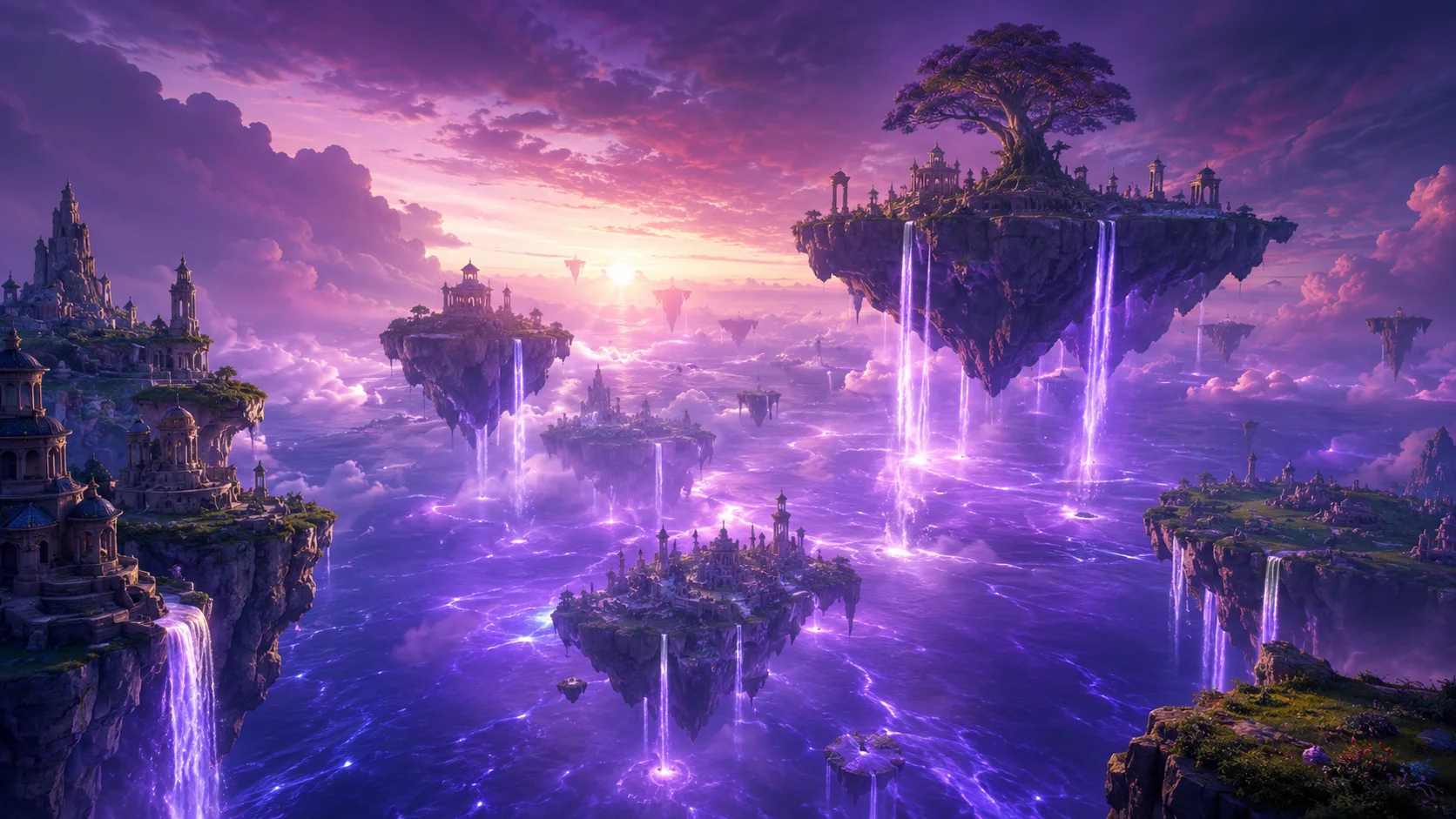
Image Studio
Generate an image from a prompt, or upload one and edit, restyle, combine or upscale it — covered by your 10 lifetime image credits.
Looking for a specific tool? Browse all AI tools — face swap, AI headshot, image upscaler, frames to video, music, voiceover, and more.
Which studio should you start in?
The split between the two AI studios is by output, not by subject. If the result needs to move — a photo coming alive, a product turning, a scene with camera motion — start in the Video Studio. If it needs to stay still — a generated image, an edit, a cleaner version of a photo you already have — start in the Image Studio. Everything narrower, from face swap to upscaling to music and voiceover, lives in the tool directory and draws on the same credit balance.
The Video Studio
You drop in a photo or describe a scene. Image to Video keeps your source frame as the anchor — composition, subject and lighting stay yours while the model adds motion — and Text to Video builds the clip from the prompt alone. You pick the model in the selector (Seedance is the default engine; others appear as they are wired in), set aspect ratio and duration, and the result renders on the same page.
This is the studio for Reels, TikTok, Shorts, product spots, portrait animations and any place a still would otherwise scroll past unnoticed. Video runs on paid credits; a start-image precheck runs before the render so a bad source photo does not cost you a generation.
The Image Studio
Generate an image from a prompt, or upload one and edit it — restyle, retouch, combine, upscale. Nano Banana is the default image engine, and the same model selector lets you switch when you want a different look. Aspect ratio and resolution are set on the card; the output lands in the preview beside the generator.
This is the studio for thumbnails, social posts, product shots, headshots and the still frames you will animate next. Image generation is covered by the 50 free credits that available once for the lifetime, so iterating costs nothing.
One balance, one library
Both AI studios draw from the same credit balance. Your 10 lifetime image credits cover image work; video and audio spend paid credits. A generation freezes its cost when it starts and settles when the result arrives — if the render fails, the credits are released back to you, never charged.
Everything you generate is saved to My Work, whichever studio or tool it came from, so a clip made today and the frame you edited last week sit side by side — ready to download, favorite, or delete.
Beyond the two studios
The tool directory holds the narrower jobs: face swap, AI headshot, image upscaler, photo restoration, frames to video, watermark removal, plus the audio tools — music, voiceover, sound effects, voice cloning and dubbing. Each is a focused surface on the same pipeline with the settings pre-filled for that task. Use a tool when you know exactly what you want; use an AI studio when you are starting from an idea and working it out.
What an AI studio run actually looks like
The flow is short on purpose. Sign in, drop a photo or type a prompt, pick a model and a couple of settings, press Generate. The card shows progress while the model works, and the finished clip or image appears in the preview on the same page — play it there, or open My Work to download it.
Because credits are frozen rather than spent up front, trying a variation is cheap: change the prompt, run again, keep the one you like. The Examples tab beside the generator shows prompts that already work well for each mode, so a first run never starts from a blank box.
What the studios do not do
The SnapVivid AI studios generate media. They do not post to your channels, do not edit on a timeline, and do not stitch clips together — every output is a file you download and use where you like. SnapVivid also does not invent capability: models that are not yet wired are marked coming soon in the selector and cannot be run, and nothing on this page describes a feature that is not live.
Anyone can read every page, but generating needs an account — the studio panel asks you to sign in first. The free tier is image-only by design: video and audio need paid credits, which keeps the video queue fast for the people rendering in it.
If you are still unsure which to open, open the Video Studio and animate one photo. Seeing your own image move tends to settle the question faster than reading about it.