Magic Hour Alternative: Turn Any Photo into Vivid, Natural Motion
Looking for a Magic Hour alternative that just brings your photos to life — without navigating a 100-tool suite? SnapVivid animates any still into natural, vivid motion — a blink, drifting hair, a slow push-in — with multiple models auto-matched and 10 lifetime image credits. Try it free.
What Is Magic Hour?
Magic Hour is an all-in-one AI creative platform with a large catalog of tools — well over a hundred — spanning text-to-video, image-to-video, talking photos, lip sync, face swap, video-to-video style transfer, and video upscaling, plus a developer API. It is used by millions of creators and is a strong fit when you want one place to reach for many different jobs. The question for most creators is simpler: do you need a full toolbox, or do you just want your photo to move — naturally — in a minute? That is where an alternative to Magic Hour like SnapVivid fits, turning any photo or prompt into vivid motion. Try the AI image to video generator to see the difference.
SnapVivid vs. Magic Hour: Where Each One Wins
Quick verdict: Magic Hour is a broad all-in-one suite with 100+ AI tools, from talking photos to video-to-video. SnapVivid is focused on turning any photo into natural, vivid motion, fast. Pick by the job — a wide toolbox, or a still brought to life.
| Comparison item | SnapVivid | Magic Hour |
|---|---|---|
| Core focus | Turning any photo or prompt into natural, vivid motion you can use anywhere. | A broad all-in-one suite — 100+ AI tools for video and images in one place. |
| What ends up on screen | Your actual photo, brought to life — subtle motion that keeps the subject recognizable. | Depends on the tool: generated clips, face swaps, talking photos, or style transfers. |
| How the video is made | Image-to-video: upload a still, pick a model, and it animates into a short clip. | Choose from many tools — text/image-to-video, talking photo, or video-to-video. |
| Inputs it takes | A photo, a text prompt, or start and end frames. | Text, an image, or an existing video, depending on the tool. |
| Aspect formats | Renders 16:9, 9:16, and 1:1 for YouTube, Reels/TikTok, and Feed. | Multiple ratios across its many tools. |
| Tool breadth | A focused set: image-to-video plus face-swap, headshots, frames-to-video, and upscaling. | Core strength: a very large catalog — talking photos, lip sync, video-to-video, upscaler, and more. |
| Talking photos & lip sync | Not offered in this version — SnapVivid leads with natural photo-to-motion. | A genuine strength: talking-photo and lip-sync tools are built in. |
| Model choice | Multiple models auto-matched (Seedance 2, Nano Banana, and more), or pick one. | Its own suite of models behind each tool. |
| What one plan covers | Image and video generation, editing tools, and the tool matrix on one credit wallet. | Its full tool suite, metered by credits or plan. |
| Free access | Free 10 lifetime image credits; video uses paid credits. | Freemium with free tools — check Magic Hour’s current plans. |
The two tools answer different briefs. Magic Hour shines when you want a wide catalog — talking avatars, lip sync, video-to-video, upscaling — all under one roof. As a Magic Hour competitor, SnapVivid narrows in on one job and does it simply: it brings your photo to life, so an upload becomes a clip you can post in minutes. If your goal is quick, natural motion at volume, start with the AI image to video generator and compare a brought-to-life still against a tool-suite workflow on the same photo.
Should You Choose Magic Hour or SnapVivid?
Choose Magic Hour when you want a broad toolbox with talking photos, lip sync, and video-to-video. Choose SnapVivid when you want any photo brought to life naturally, fast, across many clips.
Choose Magic Hour if...
- You want one place with 100+ AI tools — talking photos, lip sync, video-to-video, upscaling — not just photo-to-motion.
- You need talking-avatar or lip-sync clips where a face speaks to camera.
- You want to style-transfer or transform existing footage with video-to-video.
- You value a large tool catalog and a developer API to wire into your own stack.
Choose SnapVivid if...
Recommended- You mainly want your actual photo brought to life naturally — not a big tool menu to navigate.
- You need 16:9, 9:16, and 1:1 clips for YouTube, Reels, TikTok, and Feed.
- You want multiple models auto-matched so you skip picking the right one each time.
- You are producing many clips fast and want 10 lifetime image credits to iterate.
Many creators keep both: Magic Hour for the wide tool catalog and talking-avatar work, SnapVivid for fast, natural photo-to-motion at volume. If your day-to-day job is turning a folder of stills into postable clips, the focused photo-to-life path is usually quicker to reach for.
Where a Magic Hour Alternative Actually Helps
Not all Magic Hour alternatives do the same job — portrait motion, product clips, and quick social video are where bringing a real photo to life beats hunting through a tool suite.
Portraits & Headshots in Motion
You do not always need a talking avatar. SnapVivid keeps the subject recognizable — a blink, a breath, drifting hair — so a portrait feels alive without becoming a different tool’s output. Send the same photo to the AI headshot tool for the still versions.
Product & Scene Clips
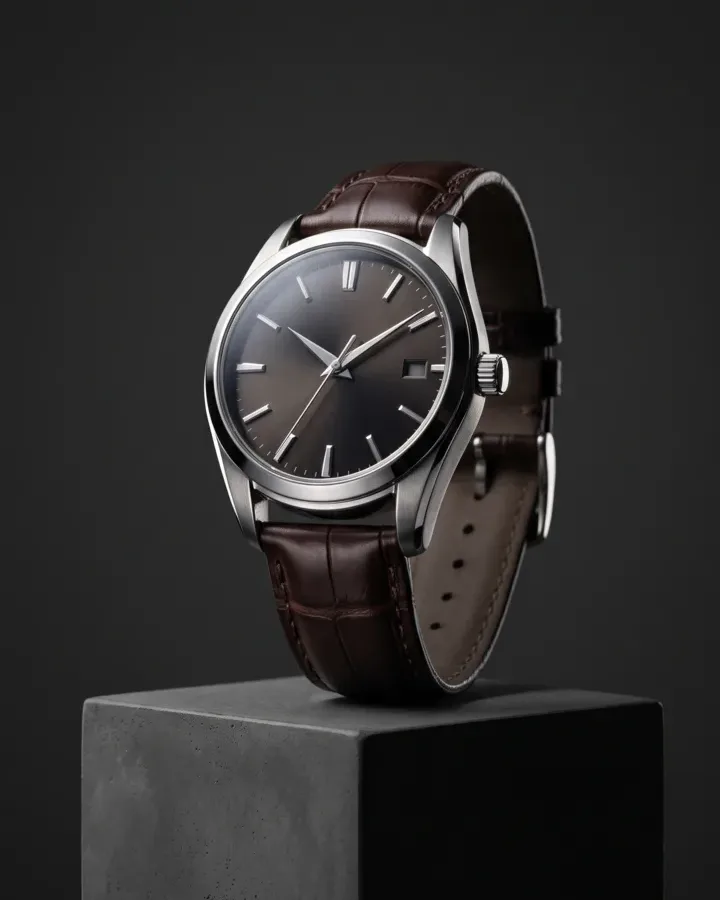
A heavy style transfer can bury the product in effect. SnapVivid anchors the clip to your photo, so the object stays clear and on-brand through the whole shot. Turn a set of stills into a sequence with the frames to video tool.

Quick Social Video at Volume
When you need many clips, not one hero effect, jumping between tools slows you down. SnapVivid’s image to video generator brings any photo to life in a minute, so you can fill a week of posts from a folder of stills — no tool-hopping per clip.

How to Switch from Magic Hour to SnapVivid
Turn any photo into a finished clip in three steps — no 100-tool menu to learn, no separate tool per job.
Step 1: Add your photo or prompt
Open the image to video generator, then upload a photo or paste a prompt. Have a start and end frame? Add both — no tool to choose first.
Step 2: Pick the format and generate
Choose 16:9 for YouTube, 9:16 for Reels and TikTok, or 1:1 for Feed, and set the length. SnapVivid auto-matches a model and animates your still — you preview before any video credits are spent.
Step 3: Batch variations and post
One photo can produce a batch of variations, so you can test looks and swap in fresh motion when a clip tires out. Download the finished video and post it straight to YouTube, TikTok, or Reels.
From a Prompt or a Photo to Finished Art
AI images, face swaps, headshots, and restyles — every tile is a real SnapVivid output. Hover to see it move, or click to open the tool.
How SnapVivid and Magic Hour Actually Differ
A plain-English look at where each tool wins, so you can pick the Magic Hour alternative that matches the job in front of you.
Which alternative fits the job
The honest answer to “which is the best Magic Hour alternative” is that it depends on the job. Magic Hour is a strong choice when you want a broad toolbox — talking photos, lip sync, video-to-video, upscaling — all in one place. For everyday photo-to-motion where the subject should stay natural and recognizable, SnapVivid is a closer fit: it animates any photo into vivid motion sized for YouTube, Reels, and Feed, with multiple models auto-matched and no tool catalog to navigate.
A broad suite vs. a focused path
SnapVivid is not a feature-for-feature clone of Magic Hour, and it is fair to say so. Magic Hour is built around breadth — a hundred-plus tools including talking photos, lip sync, and video-to-video. SnapVivid is built around one thing: natural, vivid photo-to-motion. It keeps your actual photo in frame, reads the still, animates it with subtle, believable motion, and renders it in the format the placement needs. One tool hands you a wide catalog; the other brings a photo to life. If you came to Magic Hour mainly to animate your own photos, SnapVivid is the Magic Hour alternative that fits that goal.
Magic Hour vs. Runway vs. SnapVivid
The same logic sorts out a three-way comparison like Magic Hour vs. Runway vs. SnapVivid. Magic Hour offers a broad tool suite, and Runway offers deep, art-directable video controls — both genuinely strong for varied or stylized work. SnapVivid takes a different route by keeping your real photo on screen with natural motion. So pick Magic Hour for a wide toolbox, Runway for crafted cinematic shots, and SnapVivid for quick, natural photo-to-motion at volume. To feel the gap directly, run the same photo through the AI image to video generator and compare a brought-to-life still against a suite-driven workflow.
What You Can Make, and What It Costs to Try
The formats SnapVivid renders, the things it does not do in this version, and how 10 lifetime image credits work.
The things it will not do
One thing to be clear about up front: SnapVivid does not match Magic Hour’s 100-tool breadth in this version, and it does not offer talking photos or lip sync — those are squarely Magic Hour’s strengths. SnapVivid focuses on natural photo-to-motion, plus tools like face-swap, AI headshots, frames-to-video, and upscaling, where your real image is the subject. A wide tool catalog with talking-avatar work is on the Magic Hour side, and it is better to say that plainly than to imply parity that does not exist.
Every format, natively rendered
For the motion work it does cover, SnapVivid renders every placement: 16:9 for YouTube and in-stream, 9:16 for Reels, TikTok, and Shorts, and 1:1 for Feed. Because each format is composed from the start, you are not cropping a landscape clip into a vertical frame and losing the subject — the clip is built for the placement instead of trimmed to fit it. That makes it a practical way to produce the social video most creators actually need day to day.
Free to try, one credit wallet
There is a free way to try this Magic Hour alternative before spending anything. You get 10 lifetime image credits, and you can preview a video start frame before committing. Rendering the finished video uses paid credits, since video costs more to produce than a still, but one credit wallet covers image, video, and the tool matrix — there is no separate subscription per format. So you can shape the look, preview the frame, and only spend on the renders you actually want.
Your clips, ready to post
Finally, the clips are yours to use. Anything you generate on SnapVivid is cleared to post on YouTube, TikTok, Reels, and your own site. Because a single photo can produce a batch of variations, you can test looks against each other and swap in fresh motion the moment a clip starts to feel stale — the workflow social creators need, without an editor in the loop.
Try the Magic Hour Alternative Built for Photo-to-Motion
Upload a photo or describe a scene and let SnapVivid bring it to life — natural, vivid motion in minutes. Preview the start frame free; only spend credits on the renders worth running.
Start for FreeTry SnapVivid
The tools this comparison is about — all live on one account.